
On Giving Tuesday
Why I genuinely love Carbon180

I joined Carbon180 in November of 2018. At that point, I had worked in federal energy policy for about 7 years, first in the Senate and then at a think tank. When I came to Carbon180, I got a lot of questions like: Why are you joining an organization focused so specifically on carbon removal?
The answer I gave then was that it felt so incredibly clear that carbon removal wasn’t a niche sort of side quest in the climate world; it was and is the whole ballgame. If we cannot get carbon removal to gigaton scale, we will fail to create a truly livable world.
But there’s also another answer that, in many ways, has been the real reason I’ve invested so much time and energy and effort into this organization. From the beginning, Carbon180 hasn’t just been about carbon removal, it has been about changing how we work on climate.
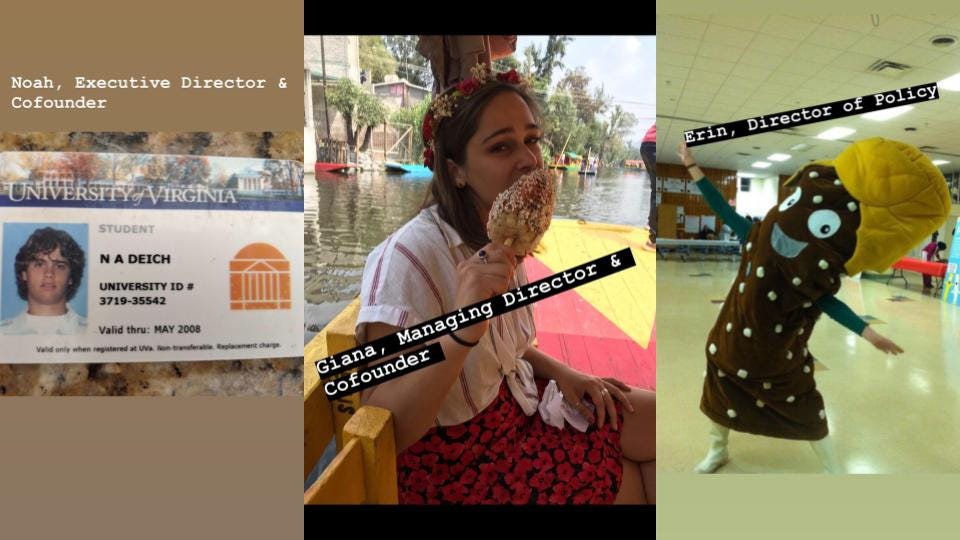
I remember in the first month or so of working here, our founders Noah Deich and Giana Amador were brainstorming ways to get more funding for other carbon removal organizations. Not because we didn’t need funding ourselves–we were 7 people in a co-working space fueled mostly by snacks from Trader Joe’s–but because Carbon180 has always been about more than just our own success, it has been about building a field. Because building a field is our best chance to get to gigaton scale and that’s the most important work, even when it comes at a cost to the organization.
Those efforts were wildly successful and core to where the field is today.
The how of our work has evolved, but has remained the central pillar of who we are and why we’re effective.
We launched an innovative and wildly successful program to regrant funds to environmental justice organizations. We’ve supported the creation of new organizations like the Carbon Removal Standards Initiative and Carbon Plan and new companies like Heirloom and Mars Materials and Lillian Augusta Beauty.
The how of our work is also central to our success in federal policy. We’ve always employed new and unique strategies to building coalitions and driving action in Congress, resulting in new efforts on federal procurement of carbon removal, billions in federal funding, and bipartisan bills across many carbon removal pathways.
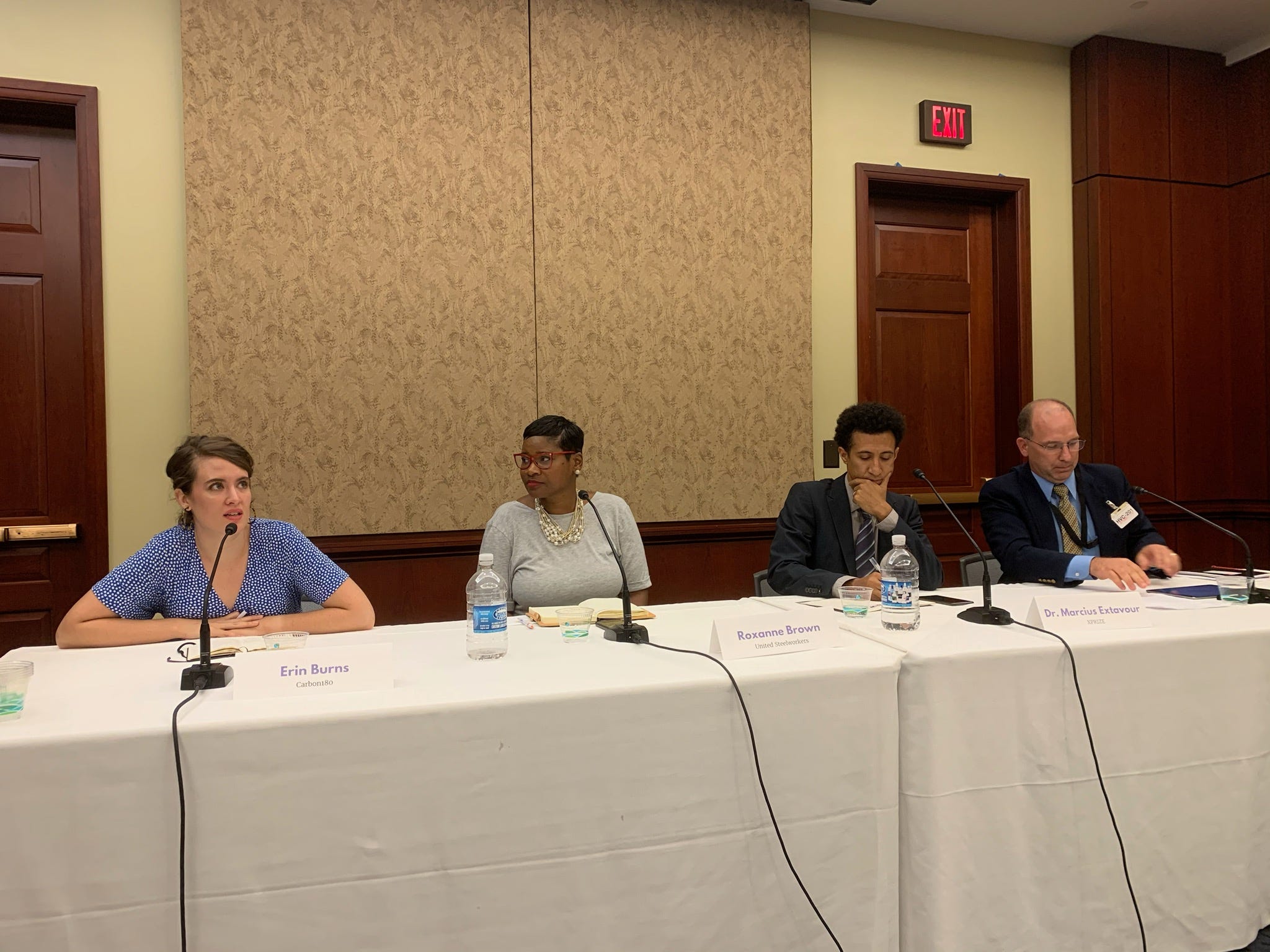
When I started at Carbon180, I was our Director of Policy and Noah was our Executive Director. At one point, he asked me to create a way to track the deployment impact of specific federal policies, an idea I thought was very nice and pretty impossible. It also reminded me that I was at the right kind of climate organization. The point of our work wasn’t to just be influential for its own sake or our own careers; it wasn’t to host lots of events that just helped us raise money; it wasn’t to do the popular thing on climate. It was to get really good carbon removal deployed.
That’s what we do. How we do that is why we’ve been so impactful and it’s why I love working at Carbon180.